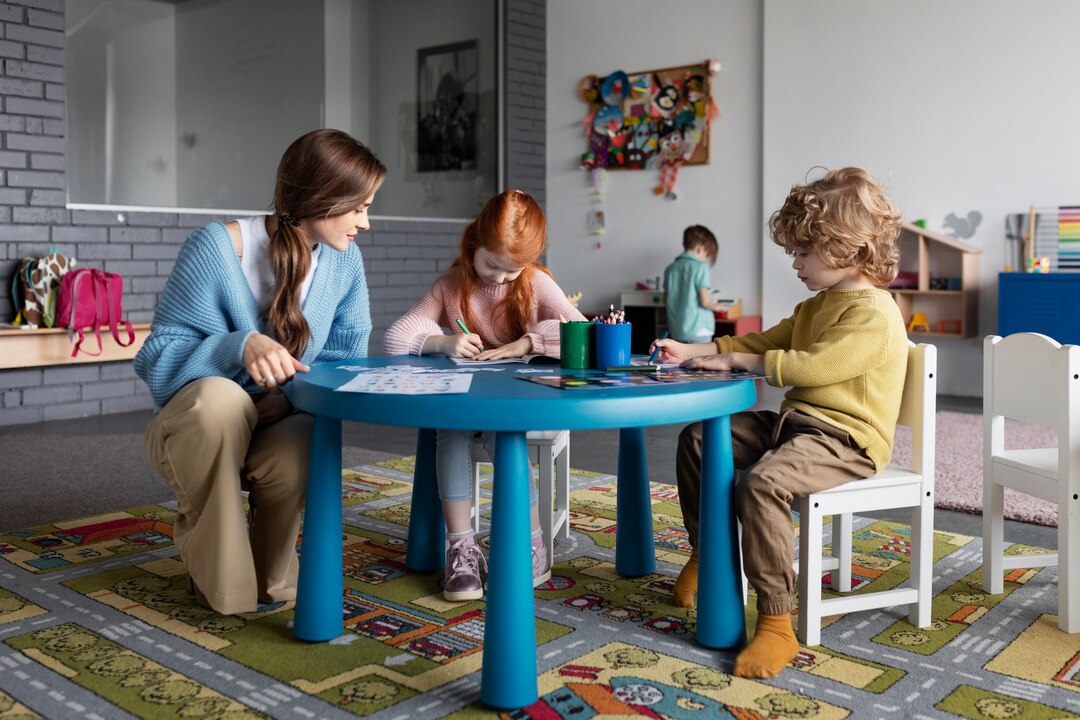
Cleaning Happens in Moments. Childcare Happens All Day.

You already clean, sanitize, wash toys, maintain your facility, and manage illness policies.

But your center stays occupied long after the cleaning is finished.

CASPR adds another layer of environmental support for the spaces children, teachers, and staff use throughout the day.


When Illness Moves Through a Center, Everyone Feels It.

CHILD OUT

PARENT DISRUPTION

TEACHER ABSENCE

STAFFING PRESSURE

CLASSROOM DISRUPTION

A single illness can create pressure far beyond one child.
Parents rearrange schedules. Teachers call out. Classrooms need coverage. Staff stretch further. Communication increases.
The impact can reach nearly every part of the center.


You’re Already Doing the Right Things.

CLEANING

SANITIZING

TOY WASHING

HVAC

AIR PURIFICATION

SICK POLICIES

DEEP CLEANING

PARENT COMMUNICATION

CASPR Isn’t About Replacing Those Practices.

It’s about adding another layer of environmental support between those moments — while your center is occupied.

The Environment Affects More Than the Environment.

FEWER PARENT DISRUPTIONS

When children miss care, families feel it immediately.

Supporting a more consistent childcare environment can help reduce the disruption families experience during peak illness periods.

MORE STABLE STAFFING

Teacher absences create pressure across the entire center.

Environmental investments can also be considered through the lens of the staff needed to keep classrooms operating.

STRONGER DIFFERENTIATION

Parents are choosing where they feel comfortable sending their children every day.

Your investments in safety, trust, reliability, and the center environment can become part of that story.

Air. Surfaces. Environment.

CASPR helps broaden the conversation beyond periodic cleaning to the environment children and staff occupy throughout the day.

Split comparison image showing passive outside air ventilation on the left versus CASPR active air treatment on the right, illustrating the difference in indoor air quality and pathogen reduction methods.

AIR

Support the air throughout occupied indoor spaces.

SURFACES

Recognize that environmental concerns do not exist only in the air.

Kids in Gym

ENVIRONMENT

Think more broadly about the spaces where children learn, play, eat, rest, and spend their day.

Not Ready to Book a Meeting?

Start With Seven Minutes.

Answer a few quick questions about staffing disruption, parent impact, your current environmental practices, and how your center operates today.

Then we’ll help you take the next step.

Your Center Is Already Doing a Lot.

Let’s see whether continuous environmental support belongs in the plan.

Prefer to learn first? Join an Upcoming Childcare Briefing