Harbor Transit Fleet Now Equipped with Air and Surface Disinfection Systems
Harbor Transit’s fleet now boasts newly-installed CASPR disinfection systems, adding another layer of protection for its passengers and employees. The

Creating Cleaner, Healthier Passenger Environments with Continuous Air & Surface Protection
Transportation systems move millions of passengers and crew members through enclosed environments every day. From buses and trains to cruise ships and passenger vessels, these environments often experience high occupancy, limited ventilation, and constant turnover.
Passengers share the same air and frequently touch common surfaces such as seats, railings, tray tables, and door handles. With tight schedules and heavy usage, transportation operators often have limited time to fully disinfect vehicles between trips or routes.
These factors make maintaining air quality and reducing microbial contamination a growing priority for transportation authorities, fleet operators, and maritime operators alike. CASPR Transit provides continuous air and surface pathogen reduction inside transportation environments, helping reduce bacteria, viruses, mold, and odors while vehicles or vessels remain in operation.
Transportation environments present unique air quality and sanitation challenges. The following questions explain how CASPR technology works, how it helps improve air quality in transportation vehicles and vessels, and how it can support sanitation and infection control efforts across transportation fleets.
CASPR stands for Continuous Air & Surface Pathogen Reduction. Unlike traditional air purification systems that only treat the air passing through the device, CASPR actively treats both the air and exposed surfaces throughout a transportation environment. Using CASPR’s patented Natural Catalytic Converter Innovation (NC2I) process, the system converts oxygen and humidity in the surrounding air into low, safe levels of hydrogen peroxide molecules that circulate throughout the space and help reduce bacteria, viruses, mold, and odors in real time.
Most air purification systems rely on filtration or UV light inside the device, meaning only the air that passes through the system is treated. CASPR works differently by generating active oxidizing molecules that disperse throughout the vehicle or vessel environment, continuously reducing microbial contamination in the air and on high-touch surfaces such as seats, rails, handles, and interior panels.
CASPR Transit can be installed in a wide range of transportation environments including public transit buses, school buses, charter buses, airport shuttles, passenger vans, rail cars, ferries, cruise ships, passenger vessels, and other fleet transportation vehicles where passengers or crew share enclosed air spaces.
Yes. CASPR Transit produces extremely low levels of hydrogen peroxide, typically between 0.01 and 0.04 parts per million, which is well below OSHA and CARB safety limits for occupied spaces. The system operates safely while passengers, drivers, and crew are present.
No. CASPR is designed to complement existing sanitation protocols rather than replace them. While transportation vehicles should still be cleaned regularly, CASPR provides continuous pathogen reduction between cleanings and during normal operations.
CASPR technology has demonstrated effectiveness against a wide range of microorganisms including bacteria, viruses, mold, fungi, and odor-causing microbes that can accumulate in enclosed transportation environments with high passenger turnover.
CASPR helps improve air quality by continuously reducing airborne contaminants and microbial buildup inside enclosed transportation cabins. This can help transportation operators create cleaner environments for passengers and crew while supporting overall sanitation efforts.
CASPR Transit systems require minimal maintenance. The NC2I cell and bulb typically need replacement approximately every 18–24 months depending on operating conditions, and the system does not require chemical refills or filter replacements.
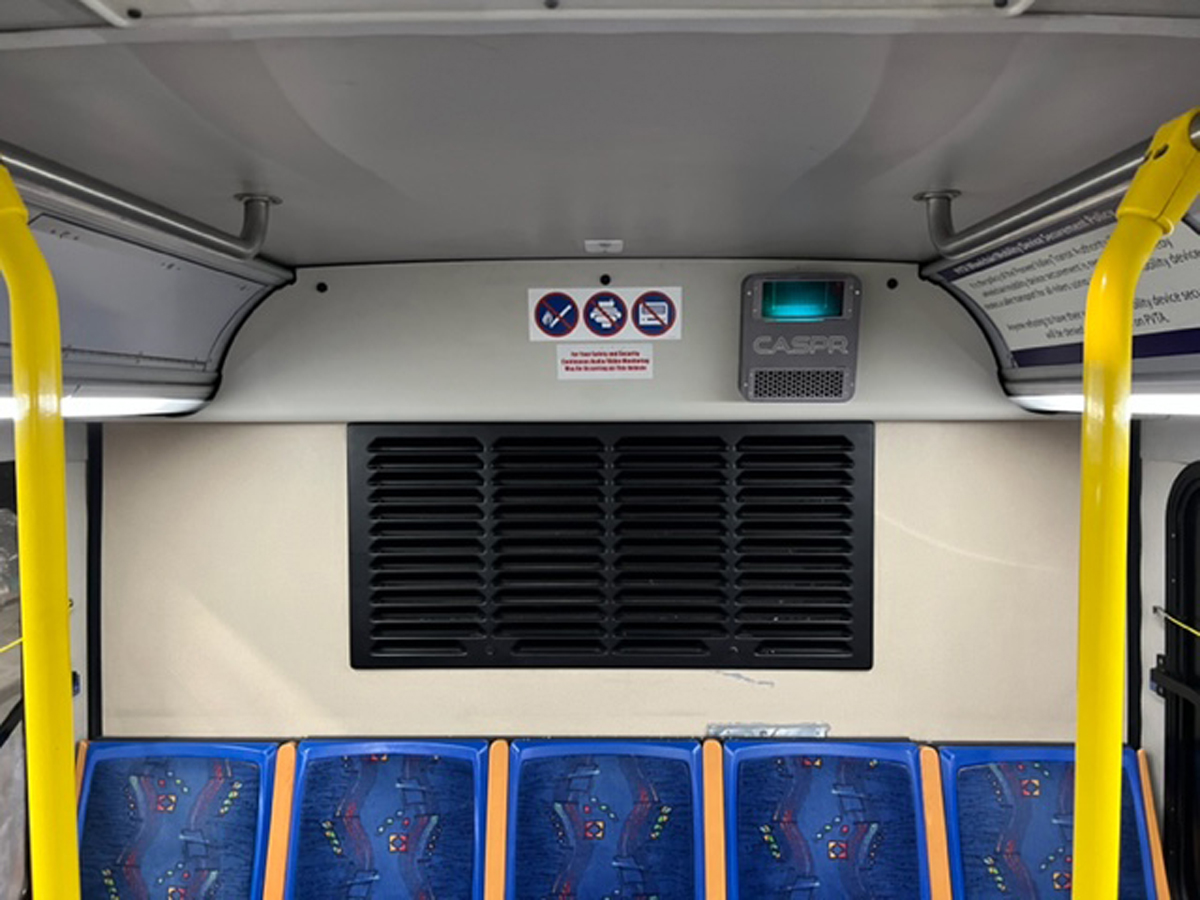
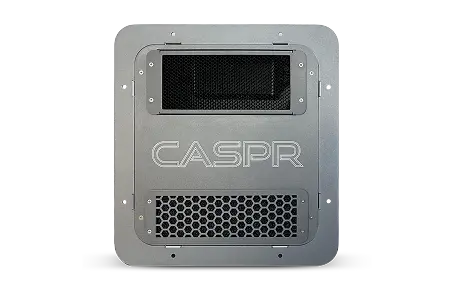
CASPR Transit provides all day performance, disinfecting air and surfaces in moving vehicles. Specially designed for durability and low-profile installation, Transit units actively reduce various bacterial and viral pathogens during every ride, safeguarding drivers, passengers, and critical transportation operations.
How It Works: Mounted securely inside vehicles, CASPR Transit units work with either AC or DC power systems to generate hydrogen peroxide molecules that continuously disinfect the air and high-touch surfaces while the vehicle is occupied and in use.
Mounted in vehicles; AC or DC powered
200–400 sq. ft. per unit (varies based on vehicle size and airflow)
Replace the NC2I bulb and the NC2I cell every 18-24 months
Best For: Public transit systems, EMS ambulances, school bus fleets, prisoner transport vehicles, airport shuttles, ferries, vessels, cruise ships, and any transportation environments where health, safety, and continuity of service are essential.
From public transit systems to school transportation fleets, CASPR technology has delivered measurable results in real-world transportation environments. These implementations demonstrate how continuous air and surface protection can support cleaner vehicles, stronger rider confidence, and healthier day-to-day operations.
During a pilot program conducted on an active passenger rail system, CASPR technology demonstrated a 72% reduction in pathogens within treated train environments.
After CASPR technology was installed across a public transit fleet, 52% of surveyed riders said they were more likely to use transit when the technology was present on vehicles.
A regional public transportation system deployed CASPR technology across 189 buses, demonstrating the ability to scale continuous air and surface protection across an entire fleet.
A school transportation study found an average 47% reduction in bus driver absenteeism after CASPR technology was installed, helping support staffing reliability and day-to-day route continuity.
From breakthroughs in indoor air quality to real-world success stories, our blog delivers fresh perspectives on the science, safety, and strategy behind air and surface disinfection. Whether you’re a facility manager, healthcare professional, or just curious about our technology, you’ll find insights worth breathing in. Explore our latest posts, and let your knowledge circulate.

Harbor Transit’s fleet now boasts newly-installed CASPR disinfection systems, adding another layer of protection for its passengers and employees. The

In a proactive move to prioritize student and staff safety, the Meriwether County School System in Georgia embarked on a
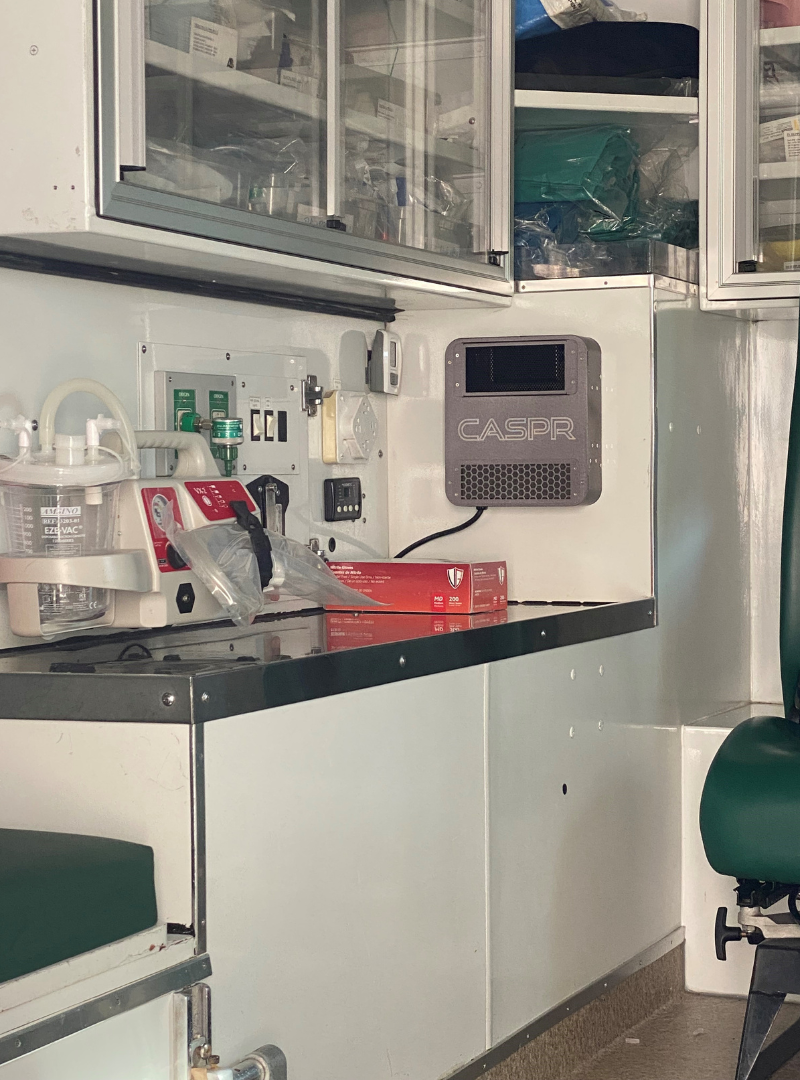
CASPR is proud to announce its Transit 2.0 solution has been selected as a recipient of the 2023 EMSWorld Innovation
CASPR Transit is used across a wide range of transportation environments where passengers or crew share enclosed spaces.
City transit systems that move large numbers of passengers through buses, rail, and metro networks where shared air and surfaces create sanitation challenges.
Student transportation fleets that operate daily with high occupancy and limited time between routes.
Passenger transportation fleets used for tourism, events, and group travel.
Short-distance transportation fleets used in airports, hotels, campuses, and transportation hubs.
Enclosed passenger environments used in maritime transportation where air quality and sanitation are critical.
Transportation vehicles used for specialized passenger or operational transport.
Transportation operators are under increasing pressure to provide cleaner, healthier environments for passengers and crews. Let’s talk about how CASPR can help improve air quality and reduce pathogens across your transportation fleet.